

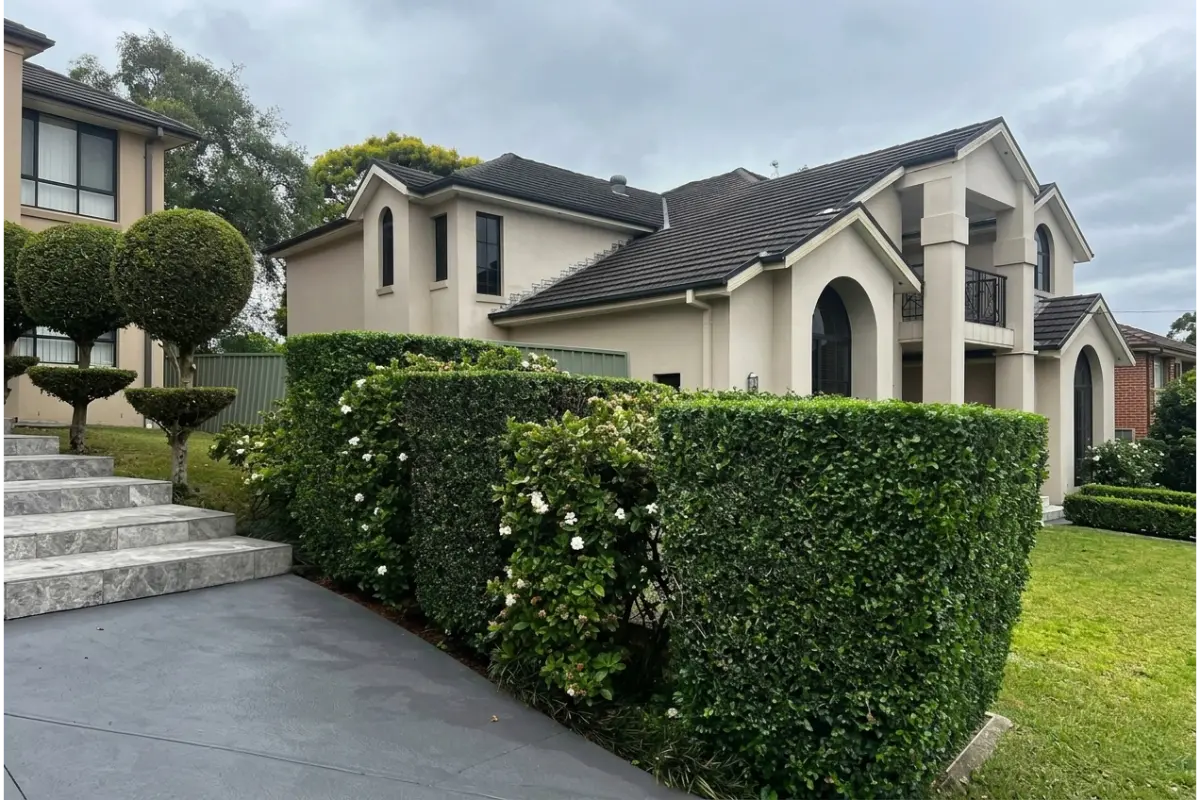
A sloping garden landscaping project can feel like a challenge with its uneven ground and drainage concerns. Yet across Glenhaven, these tricky blocks often become the most impressive outdoor spaces. What looks difficult at first is exactly what gives a landscape its unique character, depth, and visual impact. By working with the slope, you unlock incredible potential.
The rolling hills all through Glenhaven actually give you a ton of design opportunities that you just don’t get with a flat block. Things like multi-level decks, raised entertaining areas, terraced garden beds, and great views all fall into place beautifully when a clever sloping garden landscaping design embraces the natural hillside rather than trying to flatten it out.
Modern sloping block landscaping Glenhaven is really about turning tricky terrain into your biggest asset. With clever planning, durable materials, and a bit of design creativity, you can transform a steep yard into a highly usable, stylish, and practical outdoor area. Whether you have a slight slope or a steep hill, the right layout makes a massive difference to your lifestyle and home value.
This guide breaks down the best hillside garden design Glenhaven ideas, current trends, and trade secrets for sloping garden landscaping, helping you build a backyard that looks amazing and handles the elements perfectly all year long.
Reading The Natural Shape Before Making Big Changes
One of the most expensive mistakes seen in sloping garden landscaping happens before construction begins. Homeowners often decide they want a flat backyard without first understanding how the site naturally functions. The assumption sounds logical. Flat ground appears easier to use.
A site walk often reveals opportunities hidden within existing contours. Areas that initially look awkward may naturally suit seating zones, garden terraces, or elevated viewing points. Some of the strongest sloping garden landscaping outcomes come from working with the grade instead of removing it. That approach usually preserves more character while reducing structural intervention.
There is also a practical maintenance angle. Landscapes designed around natural landforms generally age more gracefully. Heavy earthworks create long-term dependencies on retaining systems and drainage infrastructure. Keeping portions of the original terrain intact often means fewer moving parts, fewer future repairs, and a landscape that feels connected to its surroundings rather than imposed upon them.
Common Landscaping Challenges
| Challenge | Impact on Property |
| Soil erosion | Loss of garden beds and unstable ground |
| Water runoff | Pooling and drainage issues |
| Accessibility | Difficult movement between levels |
| Maintenance | Harder mowing and garden care |
| Structural stability | Increased need for retaining solutions |
Balancing Drainage Needs Against Construction Budgets
Every experienced contractor has encountered a project where drainage was treated as a secondary concern. The landscape looked fantastic during handover, but without proper retaining wall landscaping Glenhaven principles in place, six months later, water pooling, erosion, or saturated garden beds began creating problems.
Sorting out your drainage is a massive part of sloping garden landscaping because gravity sends all that runoff straight down. When a heavy downpour hits, even tiny mistakes in a terraced garden design layout show up fast. A poorly placed path can act like a funnel, sending water right behind a retaining wall, while tiny drains will quickly overflow.
The challenge is that effective drainage is not always visible after completion. Homeowners naturally prefer spending money on paving, planting, and entertainment areas because those elements provide immediate visual impact. Yet within sloping garden landscaping, drainage often delivers the highest long-term value.
Smart Drainage Solutions Protect the Landscape
Drainage is arguably the most important technical aspect of sloping garden landscaping.
Effective garden drainage solutions Glenhaven commonly include:
- Agricultural drains
- Surface drainage channels
- Gravel drainage layers
- Rain gardens
- Permeable paving
- Stormwater diversion systems
Properties with steep slopes particularly benefit from integrated drainage planning.
Retaining Wall Decisions That Affect Future Costs
Retaining walls often become the centrepiece of discussions around retaining wall solutions for sloping gardens. They create usable levels, support soil, and define outdoor spaces. Unfortunately, they also become one of the most misunderstood components. Many people focus almost entirely on appearance while overlooking performance requirements.
There is a common belief that larger retaining walls create better value because they maximise flat space. Real projects frequently challenge that idea. Taller structures usually require stronger footings, engineering input, additional drainage, and more expensive construction methods. Opting for several smaller terraces in your sloped backyard landscaping often produces a more practical and visually balanced result.
Picking your materials adds another big choice to the mix. Concrete sleepers, natural stone, link blocks, and timber all come with very different price tags and upkeep needs. Something that looks beautiful the day it’s installed might turn into a massive headache down the track. A great landscape design for sloping blocks is always designed around how materials age, not just what they cost upfront.
Why Sloping Garden Landscaping Needs Better Planning
The planning stage rarely generates excitement. Most homeowners prefer discussing finishes, outdoor kitchens, fire pits, or feature planting. Yet planning is where many future problems are either prevented or quietly embedded into the project. Strong sloping garden landscaping outcomes almost always begin with careful preparation.
One recurring issue involves designing only for immediate needs. A family might request a lawn terrace and basic access path without considering long-term steep garden landscaping ideas. Two years later, they decide to install a pool or a covered entertainment area. Existing retaining walls may no longer suit the revised layout.
Another observation from completed projects is that access often receives insufficient attention. Construction machinery, maintenance equipment, and future upgrades all rely on movement through the site. Within sloping garden landscaping, practical access routes can influence both usability and future project costs. Ignoring them usually creates operational friction later.
Creating Outdoor Zones Without Fighting The Terrain
Some landscapes suffer from excessive correction when planning outdoor landscaping Glenhaven. Every slope is flattened, every contour is adjusted, and every level is forced into rigid alignment. The finished result may look organised, but it often loses the visual interest that made the site unique in the first place.
A smarter way to handle sloping garden landscaping is to figure out exactly where you need flat ground and where you can leave the natural slope alone. High-quality residential landscaping services in Glenhaven ensure outdoor dining areas get a flat, stable base and pathways get a safe, easy footing, while allowing garden beds on the edges to handle a bit of a hill.
There is also a subtle psychological effect. Landscapes that respect existing landforms often feel more relaxed and natural. Visitors move through them intuitively. Spaces reveal themselves gradually rather than all at once. Many memorable sloping garden landscaping projects achieve their strongest results not through dramatic interventions but through selective adjustments that enhance what already exists.
Plant Selection Choices That Shape Long-Term Results
Choosing the right plants often gets put on the back burner compared to the hardscaping. That makes sense, since retaining walls and paving take up the bulk of the budget. But the plants you choose for your professional landscape renovation services dictate how the yard holds up long after the builders leave. If you get the plants wrong,
Some plant varieties grow deep, tough roots that naturally anchor the soil. Others just can’t hack it on a hill, especially where the dirt goes from soaking wet to bone dry. In sloping garden landscaping, your plants actually act like living infrastructure, not just pretty decorations. They hold the soil together to stop erosion, hide harsh wall lines, and keep the ecosystem healthy.
A classic mistake is buying plants based on how they look in a pot at the nursery. A fresh garden looks completely different once it grows up. You have to think about how fast they grow, how much pruning they’ll need, and what they look like in winter. Solid sloping garden landscaping focuses on how the yard will look and function in five or ten years, not just on move-in day.
Managing Excavation Risks Before Machinery Arrives
Digging into a hillside can change budgets out of nowhere. A site plan gives a rough idea, but the dirt underneath always has the final say for expert sloping garden landscaping services. Hitting buried sandstone, old pipes, or soft soil can completely change the build plan within the first few hours of turning the key on the excavator.
Many homeowners underestimate the operational complexity involved. Soil removal requires access. Machinery movement affects scheduling. Disposal costs vary depending on material type. In sloping garden landscaping, excavation decisions influence nearly every subsequent stage, from drainage installation through to final planting.
There is often pressure to minimise excavation budgets. Sometimes that makes sense. Other times, it creates a false economy. A project may save money initially by limiting earthworks, only to face usability constraints later. Strong sloping garden landscaping balances short-term expenditure against long-term functionality rather than pursuing the lowest possible upfront cost.
Property Value Outcomes And Real Market Behaviour
People always talk about landscaping as a way to boost property value. It definitely helps, but it isn’t always a simple math equation. Different buyers want different things depending on the suburb, the style of the house, and their own lifestyle. What adds massive value to one home might not make much of a dent in another.
The one thing that always holds true is that practical layouts beat over-the-top luxury every time. A steep, unusable backyard that’s been opened up into smart, functional tiers will always attract more buyers than a yard with pricey, flashy features that you can’t actually use. Good sloping garden landscaping builds areas where people can instantly picture themselves hanging out.
There is also a tendency to overestimate the value of highly personalised designs. Unique features may delight current owners, but narrow future buyer appeal. The strongest sloping garden landscaping projects generally strike a balance between character and practicality. They feel distinctive without becoming difficult for prospective purchasers to understand or maintain.
How Landscapes Age After The Contractors Leave the Site
Handover day always gets the most attention. Photos are taken, the final invoices are paid, and the yard looks pristine. But how the landscape handles maturity is what really matters, not just how it looks the day the crew packs up. A garden that looks spectacular on day one can easily start showing its weak spots after a few seasons of weathering.
Weather exposure changes materials. Plantings establish and expand. Drainage systems experience real-world conditions. Within sloping garden landscaping, balancing these landscape design principles determines long-term satisfaction more than installation quality alone. Landscapes exist within changing environments rather than controlled showrooms.
The jobs that still look and perform beautifully years down the road all have one thing in common: the design choices were grounded in reality. The materials fit the local environment, the drainage was done right, and the upkeep was kept realistic. Smartly executed sloping garden landscaping actually gets better with age because it’s built to handle natural changes rather than fight them.
Conclusion
Fixing up a hilly backyard in Glenhaven means focusing on structural land management instead of just making things look pretty. While completely levelling out a hillside sounds great in theory, fighting the natural slope can quickly blow out your earthworks and engineering costs. Hidden rock shelves, erosion issues, and bad drainage layouts can easily turn a poorly thought-out yard into a massively expensive structural headache.
A well-planned terraced design is a smart property investment, not just a gardening expense. Request a Sloping Garden Landscaping Consultation today to discuss your site’s contours and ensure your retaining systems and pathways integrate seamlessly. Aligning your plant selections and drainage solutions with your lifestyle goals eliminates future maintenance friction, stops erosion, and unlocks your property’s true value.
Frequently Asked Questions
-
1. What makes sloping garden landscaping different from landscaping a flat block?
The biggest difference is that sloping garden landscaping has to deal with height changes, water runoff, holding back soil, and getting machinery on site. Flat blocks are a lot more straightforward to build on. Sloped properties require a mountain of extra planning because water, structural loads, and foot traffic all act differently when levels change.
-
2. Are retaining walls always necessary in sloping garden landscaping?
Not necessarily. While some sloping garden landscaping jobs definitely need heavy terracing and engineered retaining walls, others can be sorted out with simple dirt shaping and smart planting. It really comes down to how steep the hill is, what you want to use the yard for, your soil type, and your overall budget.
-
3. How much does sloping garden landscaping usually cost?
The price tags vary wildly because no two hillsides are the same. Earthworks, drainage systems, wall sizes, tight access for machinery, and the materials you pick all shift the final cost. You could have two identical-sized yards next door to each other, but the budgets for your sloping garden landscaping could be completely different depending on the soil and the design requirements.
-
4. What is the most common mistake homeowners make?
The most common sloping garden landscaping blunder is putting looks ahead of practicality. Plenty of people spend a fortune on flashy visual features while completely forgetting about proper drainage, easy access, or how they're going to mow the lawn later. Those boring, practical details are what actually make a landscape look good and last for years.
-
5. Does sloping garden landscaping add property value?
A well-designed piece of sloping garden landscaping is a massive selling point because it reclaims dead, unusable space and makes it functional. When buyers see level tiers, safe stairs, and beautiful outdoor living spots, they see value. Just keep in mind that the financial return depends heavily on the build quality and what locals expect in that price bracket.
-
6. How long does a sloping garden landscaping project take?
How long a sloping garden landscaping job takes depends on how complex the site is, the weather, council approvals, and structural engineering. A quick facelift might only take a few weeks, but heavily engineered walls and tiers can easily roll out over a few months. Even with the best planning in the world, uncooperative weather or surprise rocks underground can throw a spanner in the timeline.