
Residential Landscaping in Glenhaven: 9 Ideas That Add Value
You notice it quickly when you drive through Glenhaven. Big blocks, long driveways, established trees sitting like landmarks on the skyline. Some properties feel complete, balanced even. Others feel like they’re still waiting for their outdoor spaces to catch up with the house.
That gap is exactly where residential landscaping makes a real difference. Not in a decorative sense, but in a practical, value-driven way that suits the Hills District lifestyle. In suburbs like Glenhaven, Castle Hill, and Dural, outdoor space isn’t just extra land—it’s part of how the home is judged, lived in, and remembered.
If you’re starting to think seriously about your own block, exploring professional residential landscaping services is usually where clarity begins. Once you see what’s possible, it’s hard to unsee it.
Let’s break down 9 ideas that actually make sense for homes in this area.
1. Front Yard Kerb Appeal That Feels Intentional, Not Overdone
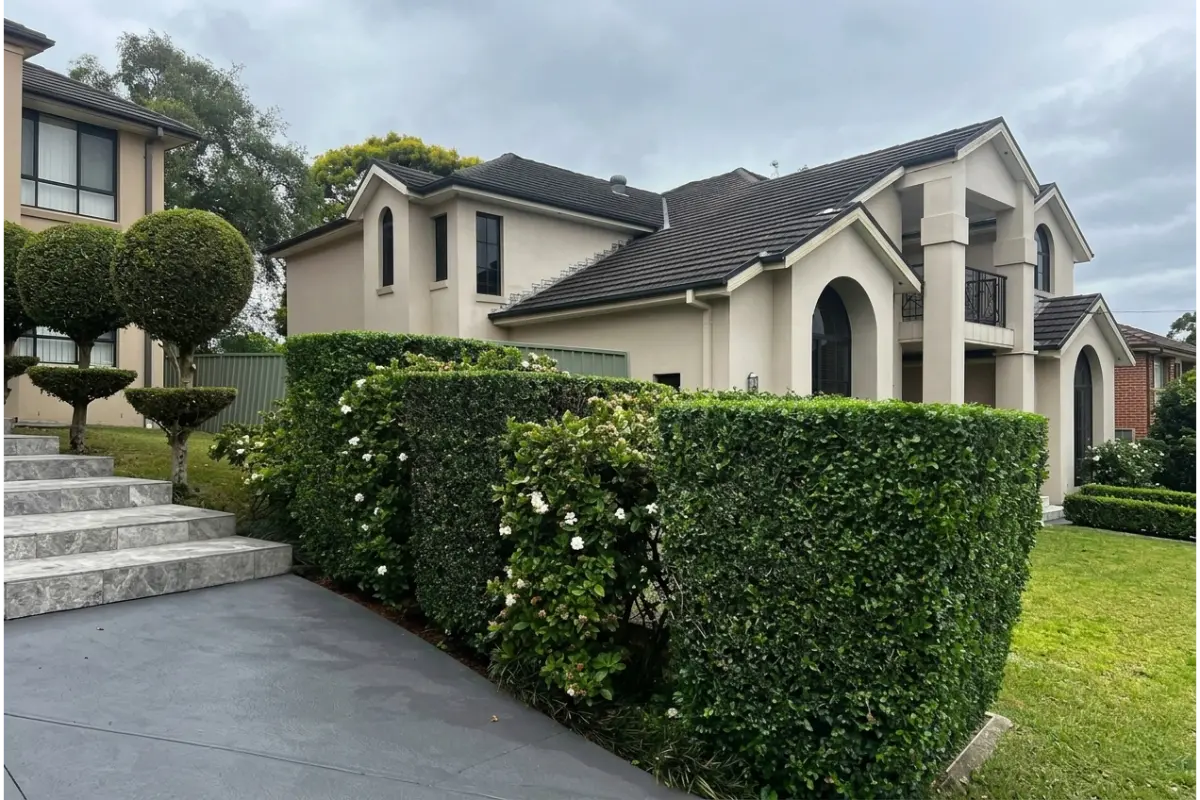
In Glenhaven, the front yard does a lot of quiet work. It sets expectations before anyone even steps out of the car. Good residential landscaping here isn’t about cramming in plants—it’s about shaping space so the house feels grounded and complete.
On larger blocks, simplicity wins. Structured garden beds along driveways, native shrubs that stay tidy through summer, and clear sightlines to the entrance all help. Plants like westringia, lomandra, and grevilleas are common for a reason—they handle heat, wind, and irregular rainfall without constant attention.
There’s also a subtle property value effect here. Real estate agents in the Hills District often mention how front yard landscaping Glenhaven homes influences first impressions within seconds. It’s not theory—it’s something buyers respond to immediately.
Even small changes here can shift the entire feel of a property.
2. Backyard Layouts That Actually Match How Families Live
A lot of backyards in Glenhaven are large enough to do almost anything—but that’s also the problem. Without structure, they become open, underused space. Strong residential landscaping turns that space into defined zones.
Think about how people actually use their yards: kids playing, weekend BBQs, quiet evenings, maybe even a garden corner for growing herbs or natives. Instead of one flat lawn, you start dividing the space naturally.
A paved entertaining area near the house makes sense for flow. A middle lawn zone keeps it open. Then a shaded rear corner adds depth and privacy. It doesn’t need to be complicated—it just needs to be intentional.
This is where backyard landscaping Glenhaven projects often feel like a lifestyle upgrade more than a design change.
3. Designing for Slopes, Levels, and Real Block Conditions
One of the defining features of residential landscaping in Glenhaven is dealing with elevation. Slopes are common, and while they can feel limiting at first, they actually create opportunities when handled properly.
Instead of flattening everything, smart design works with the land. Retaining walls become features, not just supports. Tiered garden beds create visual depth. Pathways guide movement rather than fight the terrain.
This is where custom garden design solutions become essential, especially on larger Hills District blocks. A well-designed slope can turn into a layered garden that feels natural and established, almost like it was always meant to be that way.
It’s one of those cases where the land stops being a challenge and starts becoming an advantage.
4. Native Planting That Actually Fits the Local Climate
If you’ve lived in Glenhaven for even one summer, you know the weather can swing hard. Hot days, dry stretches, then sudden downpours. That’s exactly why residential landscaping in this area leans heavily toward native planting.
Species like kangaroo paw, bottlebrush, and eucalyptus varieties don’t just survive here—they belong here. They handle poor soil better, need less water, and attract birds that are part of the Hills District identity.
There’s also a visual benefit. Native gardens tend to age well. They don’t collapse into messiness after a few seasons like some high-maintenance exotic layouts do. Instead, they settle into the landscape and feel established.
It’s less about perfection and more about resilience.
5. Understanding Rules, Drainage, and Safe Construction
Any meaningful residential landscaping project in NSW has to consider regulations, especially when you start changing levels, building retaining walls, or altering drainage patterns.
This is where many homeowners get caught out—not because they ignore rules, but because they simply don’t know where to start. Checking guidance through NSW Fair Trading helps ensure work is compliant and properly documented.
In Glenhaven, where sloped blocks and larger outdoor builds are common, this step isn’t optional. It protects both your investment and your property’s long-term stability.
6. Driveways That Do More Than Just Connect Street to House
Driveways in Glenhaven are often long, visible, and central to how the property is experienced. That makes them a key part of residential landscaping, not just a functional surface.
Instead of plain concrete, many homeowners now look at textured paving, stone edging, or soft planting borders to break up hard surfaces. Even simple changes like lighting along edges or low hedging can make a big difference.
This is also where landscape renovation ideas often come into play, especially for older homes that need a visual refresh without a full rebuild.
A driveway should feel like part of the home, not something separate from it.
7. Outdoor Living Spaces That Extend the Home
One of the biggest shifts in modern residential landscaping is treating outdoor areas as usable rooms. In Glenhaven, where space is rarely an issue, the focus moves to comfort and practicality.
Covered alfresco areas, timber decking, and shaded seating zones turn the backyard into a year-round extension of the home. It’s not just about summer BBQs—it’s about creating spaces that still feel good in autumn evenings or mild winter afternoons.
You start to notice something interesting when this is done well: people stop “going outside” and start simply moving between spaces.
That’s when the design is working properly.
8. Privacy That Feels Natural, Not Built
Privacy is a real consideration across the Hills District. Even on large Glenhaven blocks, neighbouring homes are close enough that screening becomes important. Good residential landscaping solves this without relying on fences alone.
Instead, layered planting does the work. Tall hedging along boundaries, mid-height shrubs for depth, and smaller plants closer to living areas create natural separation.
Lilly pilly hedges and bamboo are popular, but mixed native screening often feels more organic and less rigid. The goal isn’t isolation—it’s comfort. You should feel like you have space without feeling closed in.
9. Long-Term Sustainability and Water Management
A well-planned residential landscaping design in Glenhaven doesn’t just focus on how things look in year one. It considers how the space behaves over time.
Water movement is a big part of that. Sloped blocks especially need proper drainage planning so water doesn’t pool or erode soil. Swales, rain gardens, and graded lawns help manage this naturally.
When combined with drought-tolerant planting, the result is a garden that doesn’t constantly fight the environment. It works with it instead.
This is where design maturity really shows.
Conclusion
When you step back and look at all nine ideas together, one thing becomes clear—residential landscaping in Glenhaven isn’t about decoration. It’s about shaping outdoor space so it actually fits how people live in the Hills District. From sloped backyard solutions to privacy planting and driveway design, every element plays a role in how the property feels day to day.
And the interesting part is that most of these improvements don’t require massive change. They’re layered decisions that build over time, gradually turning unused land into something functional and valuable.
If you’re ready to see what your own property could become, you can Request a free residential landscaping quote and start shaping an outdoor space that actually works for your home in Glenhaven.
FAQs
What makes residential landscaping important for Glenhaven homes?
Residential landscaping is important in Glenhaven because properties typically have large visible outdoor areas that strongly influence kerb appeal and overall value. Well-designed spaces improve usability while also enhancing how the home is perceived from the street.
How does residential landscaping increase property value?
Strong residential landscaping improves property value by enhancing first impressions, creating functional outdoor living areas, and making the home more attractive to buyers. In the Hills District, outdoor presentation can significantly influence appraisal outcomes.
What style of landscaping suits Glenhaven properties best?
Glenhaven homes generally suit natural, layered designs with native planting, structured garden zones, and practical outdoor living spaces. Residential landscaping here often needs to balance slope management, privacy, and large open areas.
Is professional help necessary for residential landscaping projects?
For anything beyond basic gardening, professional input is highly recommended. Residential landscaping often involves drainage planning, structural elements like retaining walls, and plant selection suited to local conditions.
Can residential landscaping reduce ongoing maintenance?
Yes, especially when designed with native plants and efficient layouts. Proper residential landscaping reduces watering needs, minimises replanting, and creates a more self-sustaining outdoor environment over time.