

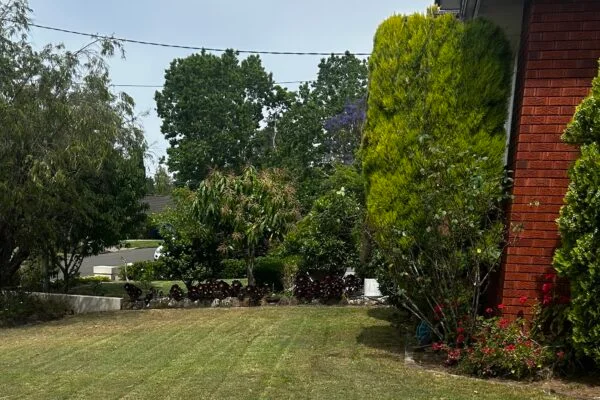
Welcome to 2026, Sydney homeowners! The battle against garden weeds is an age-old one, but the strategies for victory are constantly evolving. With unique climatic conditions and a growing awareness of environmental impact, simply “pulling them out” is no longer enough to achieve that pristine lawn you dream of. This guide from Precision Greenworks dives deep into advanced, effective, and sustainable methods for weed removal and control tailored specifically for Sydney’s diverse gardens and landscapes. Get ready to transform your approach and cultivate a healthier, more beautiful outdoor space.
At Precision Greenworks, we understand that a truly stunning garden is a harmonious blend of healthy plants and meticulous maintenance. From the vibrant flora to the lush lawns, every element contributes to your outdoor sanctuary. If you’re envisioning a complete transformation beyond just weed management, explore our services as Garden Makeover Specialists and discover how we can elevate your entire landscape.
The Sydney Weed Challenge: What You’re Up Against
Sydney’s climate, characterized by warm summers and mild winters, combined with varying soil types, creates an ideal breeding ground for a diverse range of weeds. Understanding your enemy is the first step towards effective control.
Common Invasive Sydney Garden Weeds
Sydney is home to several persistent weed species that can quickly take over if left unchecked. Identifying them correctly is crucial for effective treatment.
Broadleaf Weeds vs. Grassy Weeds
Weeds generally fall into two categories, each requiring a different approach for removal:
- Broadleaf Weeds: These have leaves that are typically wider and flatter than grass blades, often with visible veins.
- Examples: Dandelion, Clover, Plantain, Oxalis, Bindii (Jo-Jo).
- Grassy Weeds: These resemble turfgrass with long, narrow blades. They can be particularly challenging to differentiate from desirable turf.
- Examples: Paspalum, Crabgrass, Winter Grass, Nutgrass.
Specific Sydney Culprits and Their Characteristics
Knowing the specific characteristics of common Sydney weeds helps in early detection and targeted removal.
- Bindii (Jo-Jo): Famous for its painful prickles in summer, it’s a low-growing broadleaf weed.
- Clover: Often mistaken for a beneficial groundcover, clover can outcompete turf for nutrients.
- Oxalis: With its distinctive heart-shaped leaves, it spreads rapidly via bulbs and seeds.
- Nutgrass: A highly invasive grassy weed, identifiable by its triangular stem and rapid underground tuber growth.
- Winter Grass (Poa annua): Thrives in cooler months, creating unsightly patches as it dies off in summer.
Eco-Friendly Weed Management: Sustainable Solutions for Sydney
As homeowners, we have a responsibility to protect our environment. Eco-friendly weed management focuses on sustainable practices that minimize chemical use and promote overall garden health.
Organic Weed Suppression Techniques
Going organic doesn’t mean sacrificing effectiveness. Many natural methods can successfully deter weeds.
Manual Removal and Strategic Weeding
The oldest trick in the book, but with a strategic twist:
- Timely Hand-Pulling: Best done when the soil is moist. Ensure you remove the entire root system to prevent regrowth.
- Weed-Free Zones: Create barriers around desirable plants to simplify weeding.
- Regular Inspection: Early detection of new weeds prevents them from establishing large root systems.
Mulching for Natural Barriers
Mulch is a gardener’s best friend, especially for weed control.
- How Mulch Works: A thick layer of organic mulch (e.g., bark chips, sugar cane, compost) smothers germinating weed seeds by blocking sunlight.
- Benefits: Retains soil moisture, regulates soil temperature, and adds nutrients as it breaks down.
- Application: Apply 5-10 cm thick, keeping it away from plant stems and tree trunks to prevent rot.
The Power of Groundcovers
Strategic planting can turn your garden into a natural weed repellent.
- Dense Planting: Choosing low-growing, spreading plants creates a living mulch, shading out weeds.
- Native Options: Many native Australian groundcovers are excellent for suppressing weeds while thriving in Sydney’s conditions.
Non-Chemical Control Methods
Beyond traditional organic methods, several innovative non-chemical approaches offer effective weed control.
Boiling Water and Vinegar Solutions
For small, isolated weed patches, these kitchen staples can be surprisingly effective.
- Boiling Water: Pour directly onto weeds to scorch and kill them, particularly effective on weeds growing in cracks in pavement or driveways.
- Horticultural Vinegar: A stronger acetic acid solution than household vinegar. Use with caution as it can lower soil pH and harm desirable plants.
Thermal Weeding (Flame Weeding)
A targeted approach that uses heat to destroy weeds.
- Mechanism: A specialized tool uses a controlled flame to heat weeds to a point where their cell walls rupture.
- Best Use: Most effective on young weeds and weeds in hardscapes. Requires careful handling to avoid fire hazards.
Professional Herbicide Application: When to Call the Experts
While eco-friendly methods are preferred, some infestations require a more potent approach. This is where professional herbicide application comes in, ensuring effective and responsible chemical use.
Understanding Herbicides: Selective vs. Non-Selective
Not all herbicides are created equal. Knowing the difference is crucial for targeted treatment.
- Non-Selective Herbicides: Kill almost any plant they come into contact with (e.g., Glyphosate).
- Use Cases: Clearing large, overgrown areas or treating weeds in paving where no desired plants are present.
- Selective Herbicides: Target specific types of weeds (e.g., broadleaf weeds) without harming surrounding turfgrass.
- Use Cases: Controlling weeds in established lawns, like clover or bindii in Couch or Kikuyu.
Why Professional Application Matters
DIY herbicide use can lead to ineffective results, damage to desirable plants, or even environmental harm.
Expertise in Identification and Product Selection
Professionals accurately identify weed species and select the most appropriate herbicide, ensuring maximum efficacy and minimal impact.
- Targeted Treatment: Applying the right product to the right weed, minimizing waste and environmental exposure.
- Adherence to Regulations: Licensed applicators understand and comply with local environmental regulations and safety protocols.
Safe and Effective Application Techniques
Improper application can lead to drift, runoff, or under-dosing, making the treatment ineffective.
- Calibrated Equipment: Professionals use precisely calibrated sprayers to ensure even and correct dosage.
- Weather Considerations: Application is timed to optimal weather conditions to prevent drift and ensure absorption.
- Safety Protocols: Strict adherence to safety gear and procedures to protect workers, clients, and the environment.
The Role of Precision Greenworks
We pride ourselves on responsible and effective weed control. Our licensed technicians are trained in the latest techniques and products.
Table: Professional Weed Control Services Comparison
| Feature | DIY Application | Precision Greenworks Professional Service |
| Weed Identification | Often inaccurate | Expert, precise identification |
| Product Selection | Limited, often generic | Tailored, specific, professional-grade |
| Application Skill | Inconsistent, potential errors | Calibrated, even, expert application |
| Safety Risks | High for user & environment | Minimized, strict safety protocols |
| Effectiveness | Variable, often temporary | High, long-lasting results |
| Time & Effort | Significant, recurring | Minimal for homeowner, efficient |
| Guarantees | None | Often offers service guarantees |
For an excellent resource on general gardening practices and plant health that can complement your weed control efforts, check out the Royal Horticultural Society’s comprehensive guides on their website: RHS Advice.
Lawn Health Restoration: Building a Resilient Lawn
A healthy, dense lawn is your best defense against weeds. Lawn health restoration focuses on creating an environment where turf thrives, naturally crowding out unwanted invaders.
Improving Soil Health
The foundation of any healthy lawn is healthy soil.
Soil Testing and Amendments
Understanding your soil’s composition is key to knowing what amendments it needs.
- pH Balance: Ideal lawn pH is slightly acidic to neutral (6.0-7.0). Adjust with lime (to raise pH) or sulfur (to lower pH).
- Nutrient Deficiencies: Soil tests reveal missing nutrients, guiding your fertilization strategy.
Aeration and Dethatching
These practices improve nutrient and water penetration, and air circulation to grass roots.
- Aeration: Relieves soil compaction, allowing roots to breathe and grow deeper. Best done in growing season.
- Dethatching: Removes the layer of dead grass and organic matter (thatch) that can harbor pests and block nutrients.
Proper Mowing, Watering, and Fertilization
These routine practices significantly impact your lawn’s resistance to weeds.
Mowing for Health
The way you mow directly affects turf density and weed suppression.
- Height Matters: Mow at the highest recommended height for your turf type. Taller grass shades out weed seeds.
- Sharp Blades: Dull blades tear grass, making it susceptible to disease and stress.
- Frequency: Mow often enough to only remove ⅓ of the blade length at a time.
Strategic Watering
Efficient watering promotes deep root growth, making your lawn more drought-tolerant and less susceptible to weeds.
- Deep and Infrequent: Water deeply (to saturate 15-20 cm of soil) but less often, encouraging roots to grow downwards.
- Timing: Water in the early morning to reduce evaporation and fungal diseases.
Tailored Fertilization Programs
Providing the right nutrients at the right time strengthens your turf.
- Slow-Release Fertilizers: Provide a steady supply of nutrients over time, promoting consistent growth.
- Seasonal Needs: Different turf types have varying nutrient requirements throughout the year.
Seasonal Weed Prevention Tips: A Year-Round Strategy
Effective seasonal weed prevention tips mean thinking ahead. A proactive approach dramatically reduces the incidence of weeds, saving you time and effort in the long run.
Spring: Post-Winter Clean-Up and Pre-Emergents
Spring is a critical time for setting the stage for a weed-free year.
Early Detection and Removal
- Walkthroughs: As temperatures rise, inspect your lawn and garden beds weekly for emerging weeds.
- Target Young Weeds: They are easiest to remove and haven’t had a chance to set seed.
Pre-Emergent Herbicides
These products create a barrier that prevents weed seeds from germinating.
- Timing is Key: Apply before weed seeds germinate, typically in early to mid-spring for summer annuals and late autumn for winter annuals.
- Target Weeds: Effective against grassy weeds like crabgrass and winter grass.
Summer: Maintaining Defenses and Spot Treatments
Summer brings heat and humidity, which can stress lawns and encourage opportunistic weeds.
Consistent Mowing and Watering
- Higher Mowing: Continue to mow at a higher setting to shade soil and reduce weed germination.
- Deep Watering: Maintain deep, infrequent watering to support strong root systems.
Spot Treatment
- Targeted Removal: Use selective herbicides or manual removal for individual weeds, minimizing overall chemical use.
- Avoid Broadcast Sprays: In summer, only treat specific problem areas.
Autumn: Preparing for Winter and Post-Emergents
As temperatures cool, focus on strengthening your lawn and addressing cool-season weeds.
Lawn Renovation and Repair
- Overseeding: Fill in bare patches with new grass seed. A dense lawn discourages weeds.
- Aeration and Dethatching: Perform these tasks to improve soil structure and allow nutrients to penetrate before winter.
Post-Emergent Herbicides for Winter Weeds
- Target Winter Annuals: Apply specific herbicides for weeds like winter grass and broadleaf weeds that emerge in cooler weather.
- Systemic Treatment: Some post-emergents are systemic, meaning they are absorbed by the weed and kill it down to the roots.
Winter: Dormancy and Planning
Even in dormancy, your lawn needs attention to prevent future weed issues.
Monitoring and Early Control
- Cool-Season Weeds: Keep an eye out for any persistent winter weeds and address them promptly.
- Equipment Maintenance: Sharpen mower blades, service equipment, and prepare for spring.
Planning for the Next Season
- Review: Assess your lawn’s performance from the past year.
- Strategize: Plan your spring weed prevention and fertilization schedule.
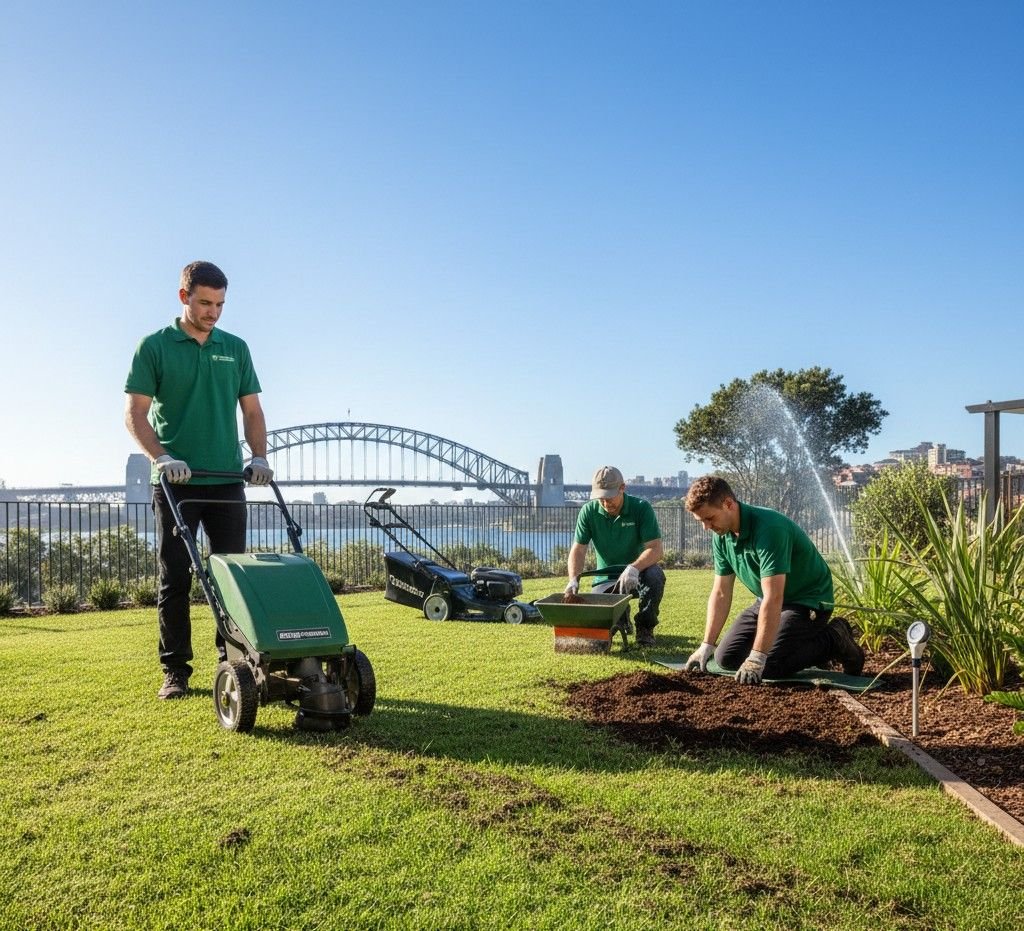
Organic Weed Suppression: Natural Harmony in Your Sydney Garden
For those committed to a chemical-free garden, organic weed suppression methods offer effective and sustainable ways to maintain a beautiful, weed-free space.
Advanced Mulching Strategies
Taking mulching beyond a simple layer.
Layered Mulching (Lasagna Gardening)
- Technique: Alternating layers of ‘browns’ (carbon-rich, like cardboard, dry leaves) and ‘greens’ (nitrogen-rich, like grass clippings, food scraps) directly on top of weeds.
- Benefits: Smothers existing weeds, builds rich soil, and suppresses new weed growth.
Living Mulch (Cover Crops)
- Technique: Planting specific cover crops (e.g., clover in vegetable beds, not lawns) that quickly establish and suppress weeds.
- Benefits: Improves soil structure, adds nutrients, and prevents erosion.
Horticultural Barriers and Landscape Fabric
Physical barriers can be highly effective in preventing weed growth in garden beds.
Woven Landscape Fabric
- Use: Laid directly on soil before planting, then covered with mulch. Allows water and air to pass through but blocks light for weeds.
- Installation: Ensure overlap at seams and secure with pins.
Edging and Bordering
- Purpose: Creates a clear demarcation between lawn and garden beds, preventing grass weeds from invading.
- Materials: Metal, plastic, or concrete edging can be effective.
Boosting Soil Biology for Natural Defense
A thriving soil microbiome can naturally suppress weed growth.
Composting and Soil Amendments
- Rich Compost: Incorporating high-quality compost into garden beds enhances beneficial microbial activity.
- Mycorrhizal Fungi: Introducing beneficial fungi can improve plant nutrient uptake and overall vigor, making them more competitive against weeds.
Crop Rotation and Companion Planting
- Crop Rotation: In vegetable gardens, rotating crops annually helps break weed cycles and nutrient imbalances.
- Companion Planting: Certain plants can deter weeds or attract beneficial insects that keep the garden ecosystem balanced.
Conclusion: Cultivating a Weed-Free Sydney Oasis
Achieving a truly weed-free lawn and garden in Sydney goes far beyond simple manual labor. It requires a strategic, informed, and often multifaceted approach that combines understanding your local weed challenges with sustainable practices and, when necessary, professional intervention. By embracing precision weed removal and control, you’re not just eliminating nuisances; you’re actively promoting a healthier ecosystem, enhancing your property’s value, and creating a more enjoyable outdoor living space for you and your family. Let 2026 be the year your Sydney lawn thrives, free from unwanted invaders.
Ready to reclaim your beautiful Sydney garden from persistent weeds? Don’t let unwanted growth detract from your home’s curb appeal. Our team of licensed professionals at Precision Greenworks is here to provide tailored solutions, from eco-friendly weed management to expert professional herbicide application. Visit our website or Contact us today to get a quote today and discover how our precision approach can transform your outdoor space into a pristine oasis.
Frequently Asked Questions
What are the most common weeds in Sydney lawns?
Sydney lawns often require Weed Removal and Control for broadleaf weeds like Bindii (Jo-Jo), Clover, and Oxalis, along with grassy weeds such as Paspalum, Crabgrass, Winter Grass (Poa annua), and Nutgrass. Accurate identification is the first step toward effective Weed Removal and Control.
When is the best time to apply weed killer in Sydney?
The best time for Weed Removal and Control depends on the weed type and herbicide. Pre-emergent treatments work best in early spring for summer weeds and late autumn for winter weeds. Post-emergent treatments should be used when weeds are actively growing—typically spring or autumn—to ensure successful Weed Removal and Control.
Are organic weed removal methods truly effective?
Yes, organic Weed Removal and Control can be very effective when applied consistently. Methods such as mulching, hand-pulling, using horticultural vinegar, and maintaining a dense lawn are excellent for sustainable and eco-friendly Weed Removal and Control.
How can I prevent weeds from returning after removal?
Long-lasting Weed Removal and Control includes proper lawn care—mowing, watering, and fertilizing—along with seasonal pre-emergent herbicides, mulching garden beds, and monitoring for early signs of weed growth. These practices significantly reduce weed recurrence and support strong Weed Removal and Control.
Why should I hire professionals for weed control?
Hiring professionals ensures expert-level Weed Removal and Control through precise identification, correct treatment selection, and safe application techniques. Companies like Precision Greenworks use calibrated methods that deliver reliable, long-lasting Weed Removal and Control while protecting your plants and the environment.
What is lawn health restoration, and how does it help with weeds?
Lawn health restoration strengthens your turf through improved soil quality, aeration, dethatching, and proper lawn care. A healthy lawn outcompetes weeds naturally, making it an essential part of ongoing Weed Removal and Control and preventing new infestations.
One Comment