

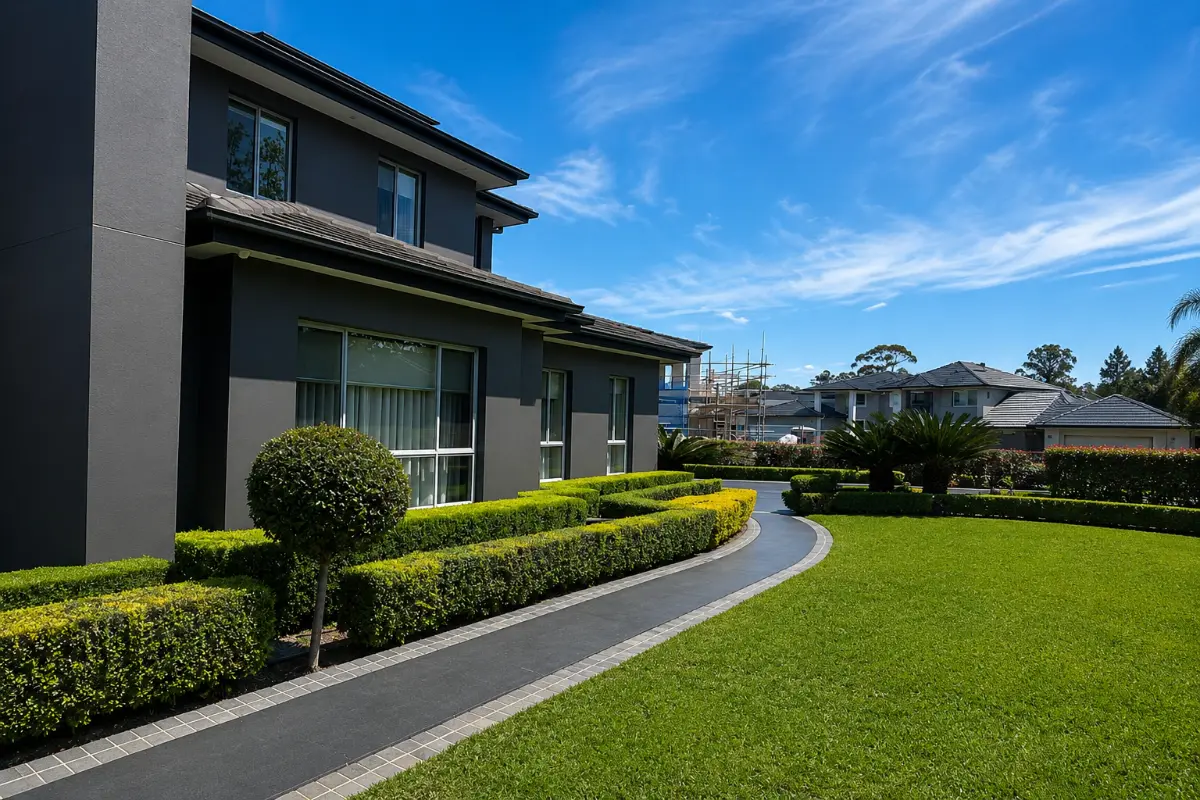
Beautiful backyards don’t just happen by luck. For successful Garden Planting in Glenhaven, you have to start by looking at the local climate, soil quality, and the natural vibe of the neighborhood. While certain plants take off without any fuss-bringing color, texture, and shape to your yard all year-others seem to flounder no matter how much love you give them.
Backyard designs around Glenhaven are leaning heavily toward low-maintenance landscapes that look stunning without stealing all your free time. Homeowners are loving native varieties, drought-tolerant options, and layered beds right now. Plus, smart Garden Planting does more than just look pretty; it supports local wildlife, makes your yard more comfortable, and boosts curb appeal.
The hardest part is usually just figuring out the first step. Staring at hundreds of nursery options can feel incredibly overwhelming. Luckily, a handful of tried-and-true plants always seem to smash expectations. These nine top picks for your Garden Planting have truly earned their stripes in Glenhaven yards because they are tough, dependable, and look great in every season.
Why Garden Planting Success Often Depends More on Site Conditions
Many clients assume the plant itself determines success. Experience on actual projects suggests otherwise. A substantial percentage of failed Garden Planting work can be traced back to poor preparation rather than poor species selection. Soil compaction, drainage issues, and irrigation gaps quietly create problems that become visible months later. By then, replacing plants costs more than fixing the original issue would have.
A common example appears on sloping blocks. Water behaves differently across different sections of the same property. One corner remains damp while another dries rapidly. Homeowners frequently treat the entire garden as a single environment, neglecting how localized conditions affect Garden Planting success. That assumption creates uneven growth, plant stress, and unnecessary spending on replacements.
The strongest landscapes tend to begin with observation rather than installation. Watching where water pools after rain, noting afternoon heat exposure, and identifying root competition from established trees provides information for Garden Planting that cannot be gathered from a nursery label. Those small observations often separate gardens that mature gracefully from gardens that require constant intervention.
Kangaroo Paw Continues Delivering Results Through Seasonal Changes
Kangaroo Paw remains one of the safest recommendations for Garden Planting projects throughout Glenhaven. It handles local conditions remarkably well and provides colour without demanding constant attention. Unlike some flowering plants that produce a brief display and disappear into the background, Kangaroo Paw tends to maintain visual interest across extended periods.
People often get the wrong idea about maintenance when it comes to natives. There’s a common myth that native plants don’t need any care, but that mindset just leads to easily avoidable issues. Even a tough Kangaroo Paw needs a quick tidy-up now and then, like cutting back dead flower spikes and giving it steady water while it settles in-all of which are key parts of good Garden Planting care.
One noticeable advantage is wildlife activity. Properties featuring healthy Kangaroo Paw groupings frequently attract nectar-feeding birds. That movement adds another layer of interest beyond simple appearance. The garden feels more alive. Clients often mention this unexpected benefit months after Garden Planting installation, long after discussions about plant varieties have been forgotten.
Native Grasses Add Movement and Texture
Movement is an often-overlooked element in a low-maintenance garden design. Native grasses introduce gentle motion that changes with wind and seasonal conditions.
Hardy options like Lomandra and Dianella are absolute staples for modern soft landscaping services. They work wonders for taking the edge off harsh structural elements or hardscaping, and since they require almost zero attention, they’re incredibly practical fixes for anyone with a busy schedule.
Native grasses contribute several advantages:
- Drought tolerance
- Low maintenance needs
- Modern visual appeal
- Soil stabilisation benefits
- Habitat support for local wildlife
Thoughtful native plant selection often includes grasses because they blend naturally with other Australian species while creating layered visual interest.
Lilly Pilly Creates Privacy Without Feeling Closed In
Privacy requests appear in a large percentage of residential landscaping discussions. Neighbours build extensions, fences age, and outdoor entertaining areas become more exposed than originally planned. For this reason, Lilly Pilly remains a reliable option within Garden Planting schemes where screening is a priority.
The financial side deserves consideration. Mature screening plants cost significantly more than younger stock. Some homeowners spend heavily seeking immediate privacy. Others start with smaller plants and accept a waiting period. Neither approach is universally right. The decision often depends on how quickly privacy becomes necessary, the budget allocated for Garden Planting, and whether the property is likely to undergo additional landscape changes.
There is also a tendency to underestimate future growth. Dense screening hedges eventually require maintenance. Skipping regular trimming often leads to larger corrective work later. What begins as a simple hedge can become an expensive pruning exercise if growth is allowed to get away. Planning for Garden Planting maintenance from day one usually produces better long-term outcomes.
Lomandra Solves Practical Landscaping Problems
Many conversations focus on flowers, colours, and feature trees. Far fewer discussions revolve around the plants doing the difficult work. Lomandra regularly earns its place in Garden Planting projects because it solves practical problems while remaining visually tidy throughout the year.
These plants are perfect for tricky drainage spots, pathways, retaining walls, or awkward gaps between yard zones. All landscapes need a bit of backbone; otherwise, a yard feels disjointed and messy. Lomandra gives you that clean, consistent look without begging for attention, thriving in harsh spots where fussier plants give up.
A classic blunder is cramming every single open spot with flowering plants. Sure, the yard looks incredibly vibrant at first. But fast-forward a few years, and your weekend chore list grows exponentially. Every great landscape needs more grounded, quieter elements to balance out the flashy features, keeping your Garden Planting strategy sustainable for the long haul. Lomandra is perfect for playing that grounding role.
Grevilleas Add More Than Colour and Bring Landscape Activity
Grevilleas bring a really cool mix of toughness and pure visual charm to the table. In any Garden Planting layout, they do a brilliant job of bridging the gap between looking pretty and helping the local ecosystem. Plus, their distinct blooms bring local birds around constantly, adding a lively sense of movement that changes the whole vibe of the yard.
Tips on building a wildlife-friendly yard can sometimes sound a bit too idealistic. Inviting birds in sounds wonderful until you realize some species are incredibly loud or aggressive over territory. Every choice has a flip side. Welcoming nature means dealing with a bit of chaos, and keeping that in mind saves you from future frustration during your residential landscaping Glenhaven journey.
Not all Grevilleas are the same, and picking the wrong one can completely change your results. Some stay neat and small, while others turn into massive bushes. You really have to pay attention to future size charts during the garden bed installation planning phase. Most overgrown yards happen because someone guessed the spacing wrong at the start.
Top Plants for Successful Garden Planting in Glenhaven
| Plant | Growing Conditions | Main Benefit |
| Lilly Pilly | Full sun to part shade | Privacy and natural screening |
| Kangaroo Paw | Full sun and well-drained soil | Vibrant flowers and bird attraction |
| Westringia | Full sun and dry conditions | Low-maintenance structure |
| Grevillea | Full sun and native-friendly soil | Supports local wildlife |
| Camellia | Part shade and moist soil | Elegant seasonal blooms |
| Japanese Maple | Part shade and sheltered areas | Stunning autumn colour and feature appeal |
Japanese Maple Brings Seasonal Character with Thoughtful Positioning
Japanese Maple remains a popular feature tree in Garden Planting plans because of its seasonal transformation. Following horticulture best practices ensures the colour shifts can completely change the appearance of a garden throughout the year. Few plants deliver that level of visual variation from a relatively modest footprint.
Placement decisions matter enormously. Installing one in the wrong location often leads to disappointment. Harsh afternoon sun, reflected heat from paving, and exposed positions can stress the tree. Clients occasionally focus on the tree itself while overlooking environmental pressures surrounding it, which is why proper sustainable garden design principles are essential. The result may be slower growth and reduced foliage quality.
Budget is another big talking point that always comes up. Good specimen trees aren’t cheap. Going for larger stock gives you that instant look, but it definitely drives up your upfront costs. On the flip side, smaller trees take time to grow, making smart Garden Planning absolutely crucial. Neither route comes with a guarantee, though.
Westringia and Gardenia Have Different Garden Roles
Westringia appears regularly in Garden Planting layouts because it provides structure without dominating the landscape. Its soft foliage suits contemporary homes and more traditional properties alike. The plant handles pruning well and generally remains predictable, a quality many landscapers quietly appreciate.
Gardenias bring a totally different vibe to the table, mostly because of their incredible scent. If you love entertaining outside, incorporating them into your Garden Planting near walkways, decks, or outdoor lounges is a game-changer. Guests might not spot the flowers right away, but they will definitely love the mood they set.
Mixing and matching plants with different superpowers works way better than just planting one thing everywhere. It gives your yard a balanced, layered feel. Trusted landscape renovation experts use tough, structural shrubs to keep things grounded year-round, while blooms and scents bring seasonal excitement. This contrast keeps landscapes looking alive all year, instead of blooming once and dying down.
Crepe Myrtle and Long-Term Planning for Mature Garden Performance
Crepe Myrtles are a massive hit in local Garden Planting projects right now because they look incredible in every single season. You get show-stopping flowers all summer, and thanks to professional garden design services, they are carefully selected to provide beautiful bark patterns and elegant branch shapes through the winter. That year-round beauty makes them worth every penny.
Long-term planning remains one of the most overlooked parts of residential landscaping. Homeowners naturally focus on immediate appearance. Future maintenance, canopy spread, root development, and sightline impacts often receive less attention, which is why deliberate Garden Planning is so critical. Yet these factors influence satisfaction years later. Many expensive corrections stem from short-term thinking during the original design stage.
Taking a walk through older properties shows you exactly how past choices pan out. Some landscapes look beautifully put-together because the owners planned for long-term growth. Others look like a jungle, requiring heavy hacking or complete overhauls. Looking at mature yards in Glenhaven is the best way to learn about patience and spacing.
Balancing Aesthetics,Maintenance Costs, and Future Property Objectives
Every landscaping choice is a compromise. A jaw-dropping, formal yard might drain your wallet with endless upkeep costs. On the flip side, going for an easy-care layout might mean losing out on bright, popping seasonal colors. The best yard transformations happen when people accept these realities in their Garden Planning instead of hunting for a magic fix.
Most people wait too long to talk about the budget. Costs for nursery stock, watering setups, soil upgrades, and labor add up incredibly fast. It’s easy to spend all your cash on the pretty plants while ignoring the boring groundwork. Sadly, it’s that hidden prep work that actually keeps a landscape alive over the years.
Property goals should influence planting decisions. A homeowner planning to remain for twenty years may approach landscaping differently from someone preparing for a future sale. Neither objective is wrong. The strongest outcomes occur when planting choices align with broader property plans and a thoughtful landscape design and construction approach, rather than being treated as isolated cosmetic decisions.
Conclusion
Getting a Glenhaven landscape to truly thrive comes down to balancing structural workhorses like Lomandra with striking feature trees and local native varieties. When you pair tough, resilient options like Lilly Pilly and Kangaroo Paw with the actual conditions of your yard, you get gorgeous, year-round color and easy privacy without a ton of maintenance.
Ready to transform your outdoor space into a low-maintenance sanctuary that looks beautiful in every season? Let our expert team handle the groundwork, design, and species selection to ensure your long-term success. Book a garden planting consultation today to start planning your perfect Glenhaven transformation!
Frequently Asked Questions
-
1. How much maintenance should realistically be expected from a well-designed Glenhaven garden?
Even low-maintenance gardens require some attention. Pruning, seasonal clean-up, mulching, and occasional plant replacement remain part of ownership. The difference is that a well-planned landscape, supported by professional planting services Glenhaven, tends to need predictable maintenance rather than constant problem-solving.
-
2. Is spending more money on larger plants usually worth it?
Sometimes yes, sometimes no. Larger plants create immediate visual impact and faster privacy, but they also increase project costs significantly. In many cases, smaller healthy stock establishes just as successfully. The decision often depends on timeline expectations and the approach to professional garden planting rather than horticultural necessity.
-
3. Why do some newly installed plants fail despite receiving water?
Just turning on the hose won't save your plants. Things like poor drainage, rock-hard dirt, blistering sun, competing tree roots, or burying a plant too deep will kill it fast. A lot of people blame a dead plant on bad watering habits when the real issue was a Garden Planting site problem they ignored from day one.
-
4. Are native plants always the best option for Glenhaven properties?
While native options are fantastic for a lot of reasons, they aren't always a one-size-fits-all solution. Your specific soil, how much free time you have, your style goals, and the existing look of your neighborhood all matter. Blending the right natives with tough exotic varieties within your landscape construction Glenhaven project usually gives you the absolute best result.
-
5. What is the most common mistake homeowners make during garden upgrades?
Buying plants before you actually know your yard is a recipe for disaster. It is easy to buy something purely on looks, completely ignoring its final size, light needs, or upkeep. The resulting mess of overcrowded, dying plants will end up costing you way more money than you thought you were saving.
-
6. How long does it usually take for a new landscape to look established?
Most gardens begin showing meaningful development within two to three years, although timing varies by species and site conditions. Landscapes mature gradually. Some of the most attractive gardens in Glenhaven were developed through steady growth and adjustment rather than instant transformation after installation.